UT

Painting Walls Yourself: How to Get a Professional Result

Updated 05.09.20256 min readTips
Painting Walls Yourself: How to Get a Professional Result

Many people think painting walls is straightforward. In reality, 80% of the result depends on preparation. In this article we'll explain how to prepare the surface, choose the right tools, and apply paint so that no brush or roller marks are visible.

Surface Preparation

Clean the wall of dust and grease stains. Fill cracks and chips with filler. Once dry, sand the surface with fine-grit sandpaper. Apply a primer — this will improve paint adhesion and reduce consumption.

Choosing Paint and Tools

Water-based emulsion paint is best for living spaces — it dries quickly, has no strong odour and is easy to clean. Choose a roller with 10–12 mm nap for rough surfaces or 6–8 mm for smooth ones.

Application Technique

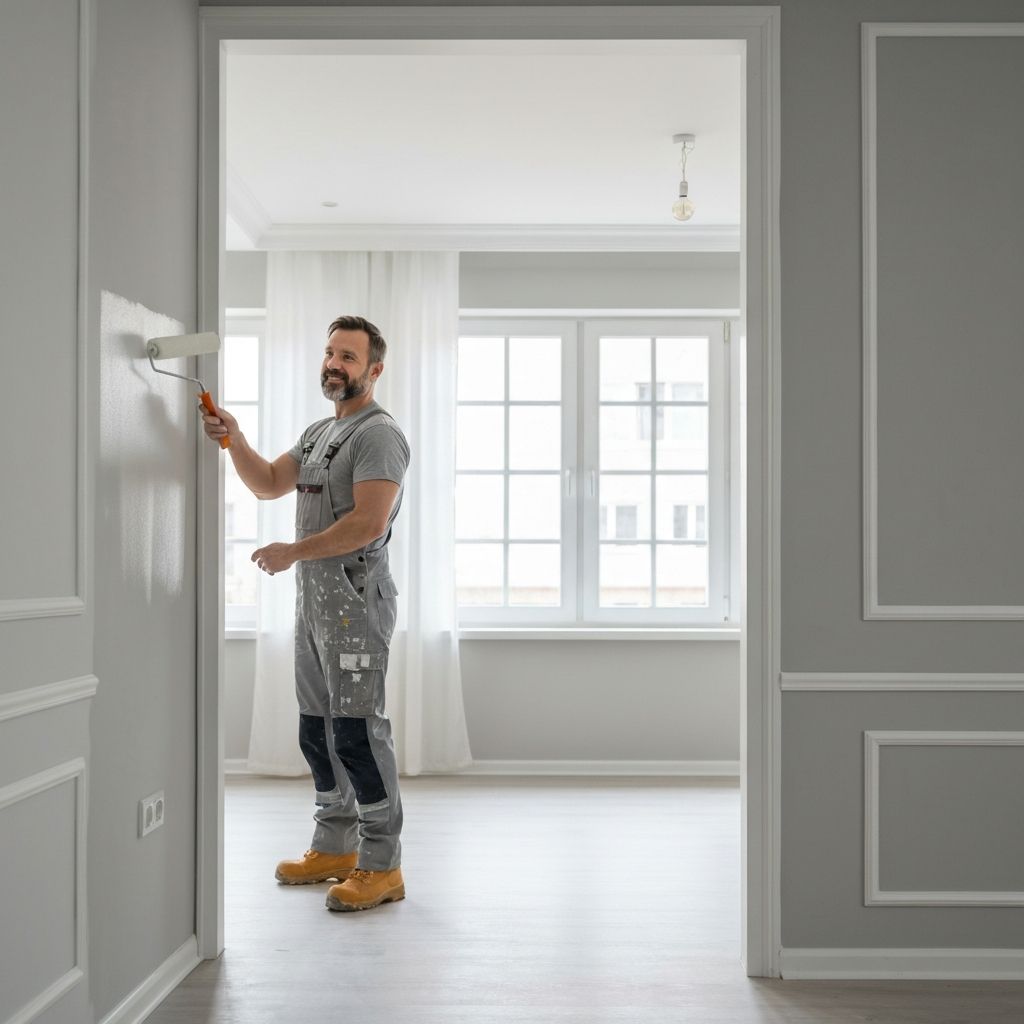
Apply paint in two coats — the second after the first is completely dry. Move the roller in a "W" shape, then smooth out with vertical strokes. Don't apply too thick a coat — this causes drips.

PaintingDIYRenovation